Current management models have been evolving since the First Industrial Revolution and, over time, have progressed to what we now know as Industry 4.0. With this new era, technological innovations are transforming the way companies operate and grow.
Among these technologies, cloud computing, artificial intelligence, big data, and robotics stand out. They open up countless possibilities and opportunities. However, for them to deliver positive results, organizations must be properly prepared. Otherwise, instead of solutions, they may face even more complex challenges.
In addition, Management 4.0 is directly connected to Industry 4.0. Its key differentiator lies in the application of innovative technologies and tools to make processes more efficient. In this context, digitalization and automation not only boost productivity but also enhance decision-making, enabling faster and more strategic responses.
On the other hand, the vast volume of information generated by these tools can represent both an advantage and a challenge. While well-prepared companies leverage this data to optimize processes and gain a competitive edge, those without an adequate structure may struggle with information overload, failing to turn data into valuable insights.
Therefore, more than simply adopting new technologies, companies must learn how to manage them effectively. Ultimately, success in Management 4.0 depends on the ability to strategically integrate people, processes, and innovation. This is what ensures that the transformations driven by Industry 4.0 lead to sustainable growth and improved results.
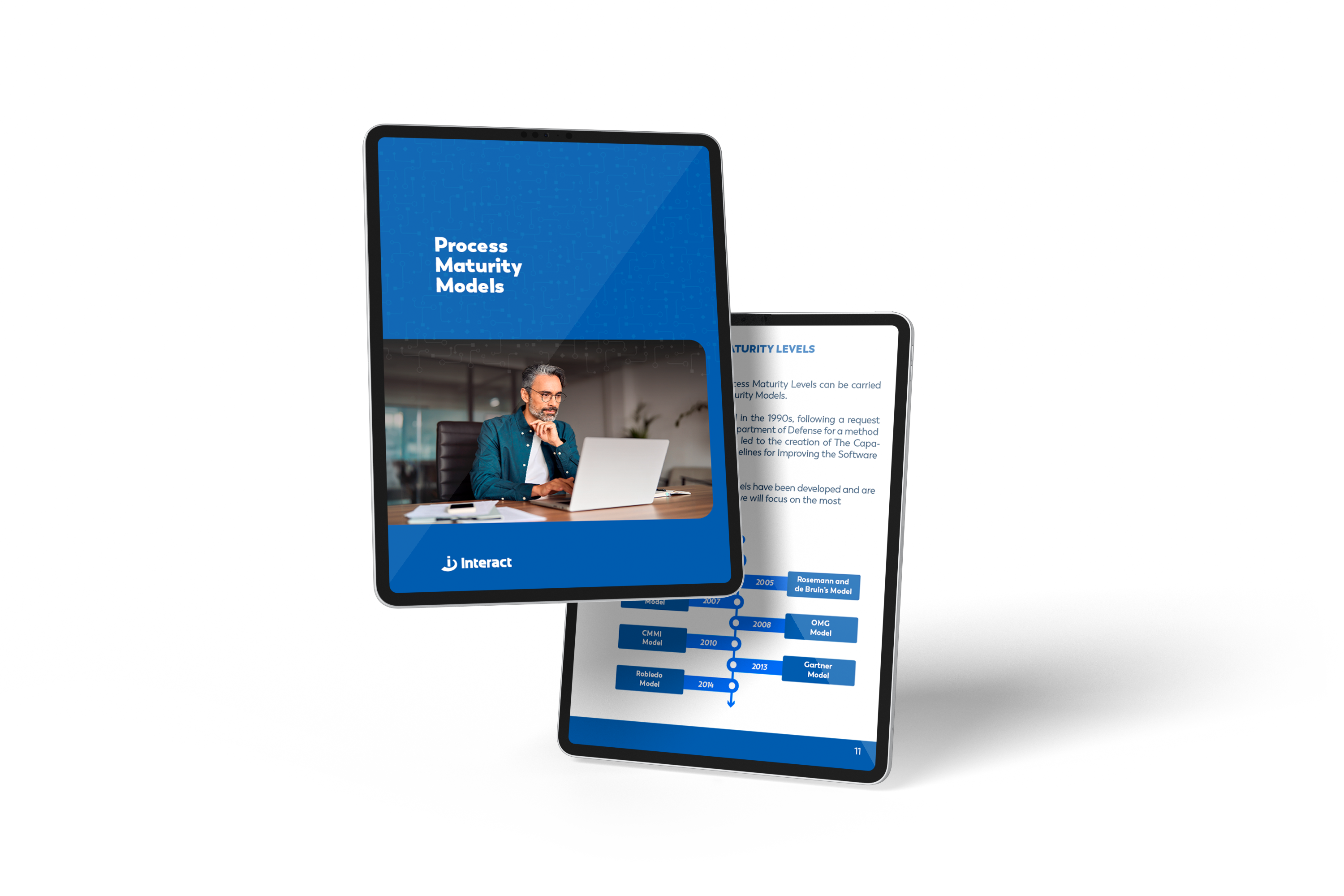
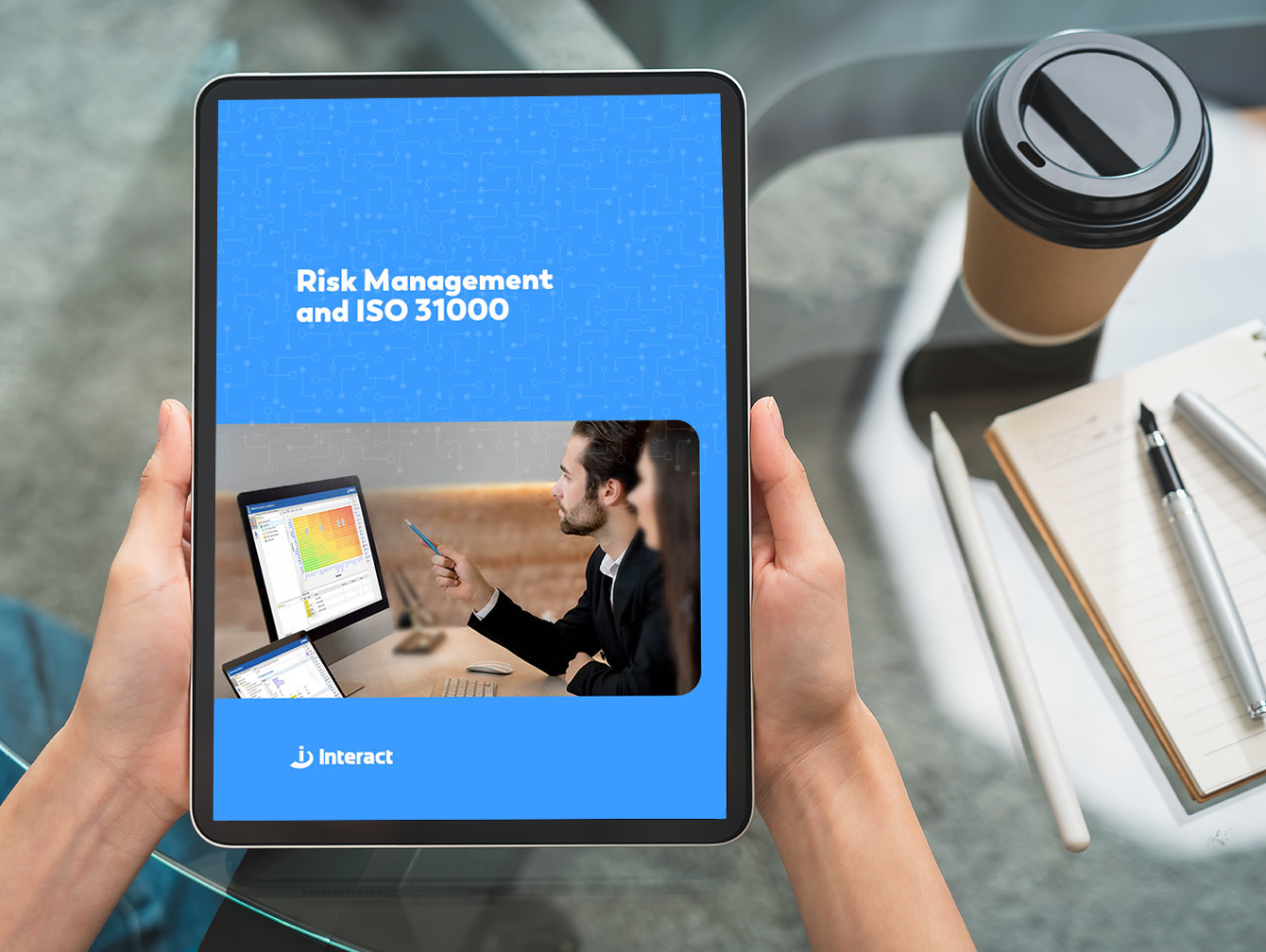
Click here and download the free eBook.